Can a foreigner buy property in Cape Town?
Key takeaways
- A ministry statement says legal foreigners can buy property privately, and SARS and the Reserve Bank write rules for non-resident buyers and sellers.
- A non-resident seller has 7.5%, 10% or 15% of the full price withheld once it passes R2 million: R521,250 on R6,950,000 for a person.
- A non-resident borrowing rand is limited to R1 borrowed for every R1 brought in, so at most R3,475,000 on R6,950,000 before costs.
- The buyer pays the withheld amount to SARS within 14 or 28 days, or owes interest and a 10% penalty.
On the sources we opened, yes: a government ministry says legal foreigners can buy property privately, and SARS and the Reserve Bank write rules for non-residents who buy. Two of those rules touch your money. The Reserve Bank limits a non-resident to R1 borrowed here for every R1 brought in, and when a non-resident person sells, the buyer must withhold 7.5% of the price for SARS once it passes R2 million. We worked both through on our four Camps Bay homes for sale.
What the sources say about owning a home here
A Ministry of Human Settlements statement says foreigners who are legal in the country "can secure accommodation in the private market through rental or purchase of a property"4. SARS says non-residents pay capital gains tax on "immovable property" in South Africa, and its examples are "a flat, house, farm, or vacant land"3. The Reserve Bank's rulebook for banks has a clause on lending to non-residents "in respect of the acquisition of residential property"2.
This page uses the word non-resident. SARS decides it by where you ordinarily live and how many days you spend in South Africa3. We did not check how the Reserve Bank defines it.
When a non-resident sells, the buyer withholds
This rule applies if you buy from a non-resident, and again when you sell as one. The purchaser must withhold a share of the amount payable and pay it to SARS: 7.5% if the seller is a natural person, 10% if a company and 15% if a trust1. Above R2 million the share applies to "the full purchase price, without regard to the R2 million threshold"1. On a price of R6,950,000 it comes to this:
| Seller and share | On R6,950,000 |
|---|---|
| A person, 7.5% | R521,250 |
| A company, 10% | R695,000 |
| A trust, 15% | R1,042,500 |
The money withheld is not a final tax. SARS calls it "an advance payment" towards the seller's tax for that year1. A seller whose real tax will be lower can ask SARS for a directive that less, or nothing, be withheld, using form NR03. SARS says it generally takes 21 business days1, so allow for that time.
If you are the buyer, the payment deadline is yours. You pay the amount withheld to SARS within 14 days if you are a South African resident, or 28 days if you are not. Paying late adds interest and a penalty of 10% of the amount, and the guide says no provision is made to waive the interest1.
The guide also makes an estate agent or conveyancer who "should reasonably have known that the seller is a Non-Resident" jointly liable if they fail to tell the purchaser. Their liability is limited to what they are paid for the transaction1. Tell your conveyancer early if the seller lives abroad.
The same rule on our four prices
These are the asking prices on our sale listings as at 12 October 2026, with the 7.5% share for an individual seller. A sale that closes below asking withholds less.
| Home and asking price | 7.5% withheld |
|---|---|
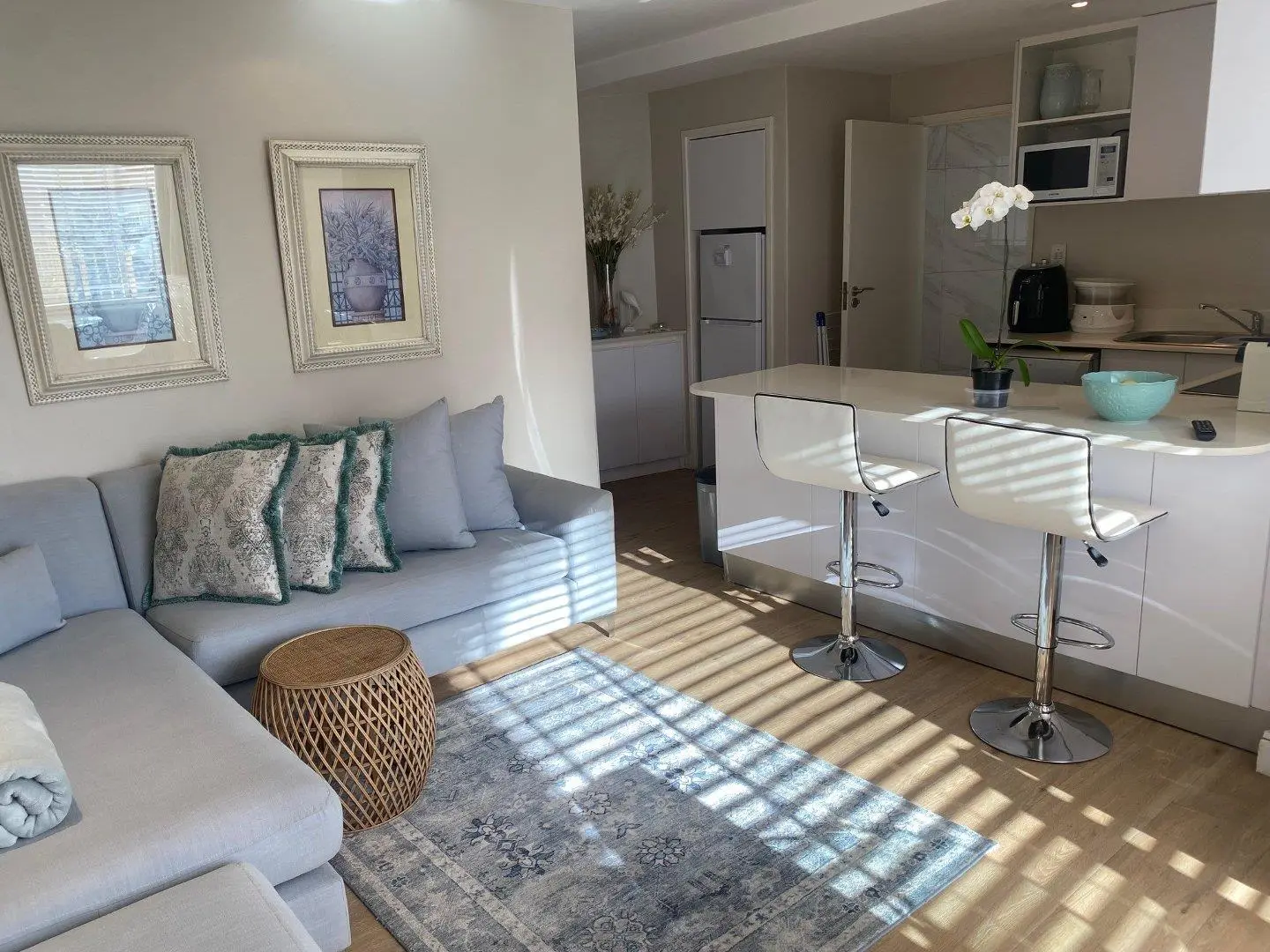
| One-bedroom apartment, ref 117075226, R6,950,000 | R521,250 |
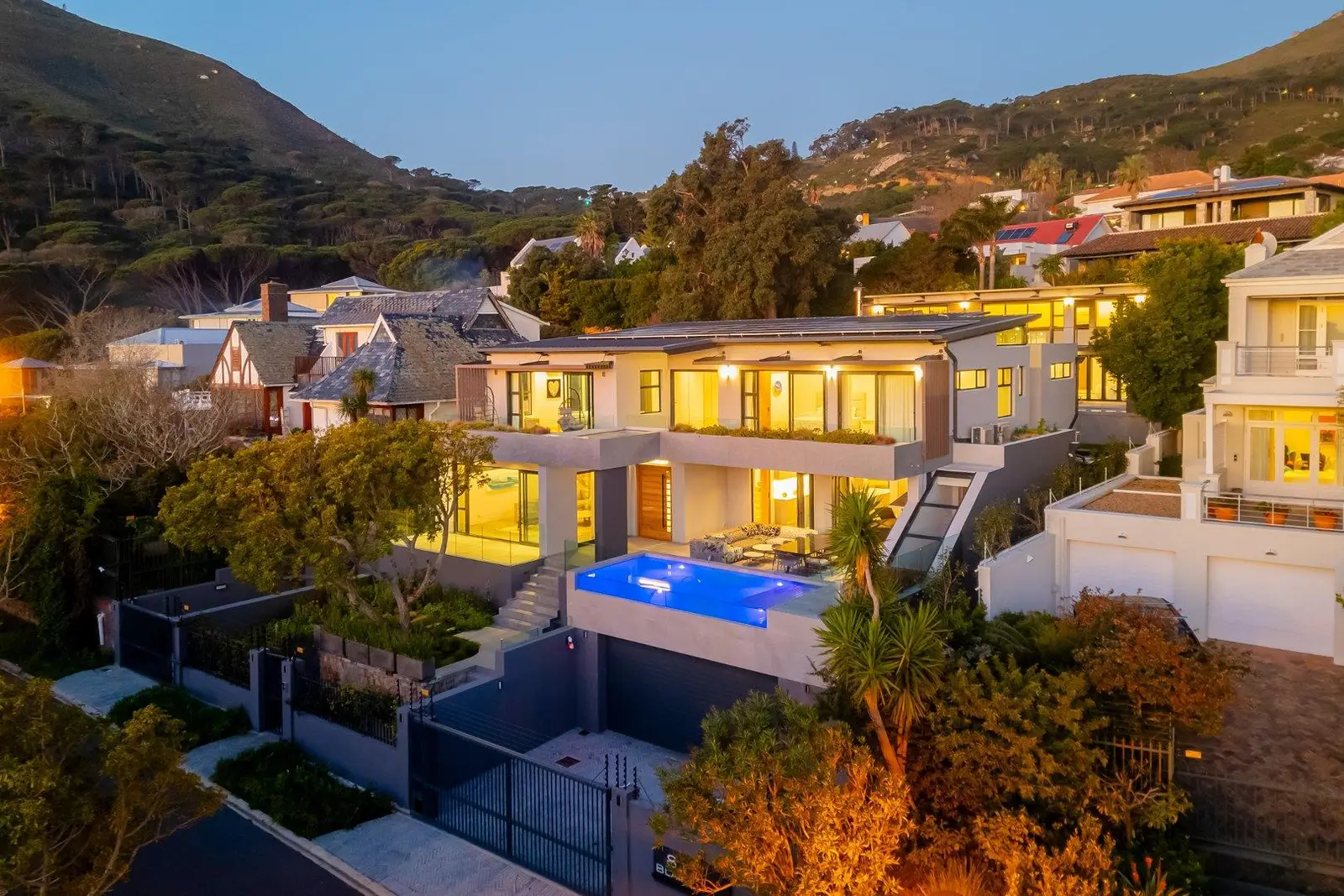
| Five-bedroom house, ref 116322317, R39,590,000 | R2,969,250 |
| Four-bedroom house, ref 117573982, R45,000,000 | R3,375,000 |
| Six-bedroom house, ref 114749038, R64,999,000 | R4,874,925 |
The same house priced at R64,999,000 would have R9,749,850 withheld if a trust sold it. The ECB's reference rate on 16 October 2026 was R18.49 to the euro6, which puts R6,950,000 at about €376,000 and R521,250 at about €28,000.
Can a non-resident get a bond?
The Reserve Bank's rule is aimed at banks, which it calls Authorised Dealers. Where a non-resident borrows rand to buy residential or commercial property, "the 1:1 ratio will apply"2. The facility must also be secured by "an unencumbered Rand deposit or Rand based asset of equal or higher value", and it "may not be increased at any stage based on a revaluation of the property"2.
On the one-bedroom apartment at R6,950,000, a 1:1 limit means at most R3,475,000 borrowed against R3,475,000 brought in, before any costs. That is our own arithmetic on the rule, so treat it as an illustration.
An exception covers non-residents "living and working in South Africa" who buy residential property: they may be lent to "subject to normal lending criteria"2.
What to do next
If you want to try Camps Bay before you buy, our rent examples show monthly and daily prices. To view one of the homes above, contact us with the reference number.
Sources
- Amounts to be Withheld When a Non-Resident Sells Immovable Property in South Africa (IT-PP-02-G01, revision 05, effective 3 September 2025), South African Revenue Service (accessed 16 October 2026)
- Currency and Exchanges Manual for Authorised Dealers, section I.1(E) (version issued 8 October 2026), South African Reserve Bank (accessed 16 October 2026)
- Tax and Non-Residents, South African Revenue Service (accessed 16 October 2026)
- Clarity on foreigners housing policy in South Africa (undated; file last modified 6 November 2018), Ministry of Human Settlements, South Africa (copy on the Limpopo provincial department site) (accessed 16 October 2026)
- Notice 229 of 2017: Regulation of Agricultural Land Holdings Bill, 2017 (Government Gazette 40697, 17 March 2017), Department of Rural Development and Land Reform, via South African Government (accessed 16 October 2026)
- Euro foreign exchange reference rates: South African rand (ZAR), European Central Bank (accessed 16 October 2026)